Optimizing for Google AI Overviews (2026 Guide for Small Businesses)
Google's AI Overviews (formerly SGE) generate concise, synthesized answers at the top of search results for many queries. They pull from top-ranking pages, synthesize information, and often cite 3–6 sources. In 2026, they appear on a significant portion of informational and commercial queries, sometimes reducing clicks to traditional results but delivering higher-quality traffic when users do click through.

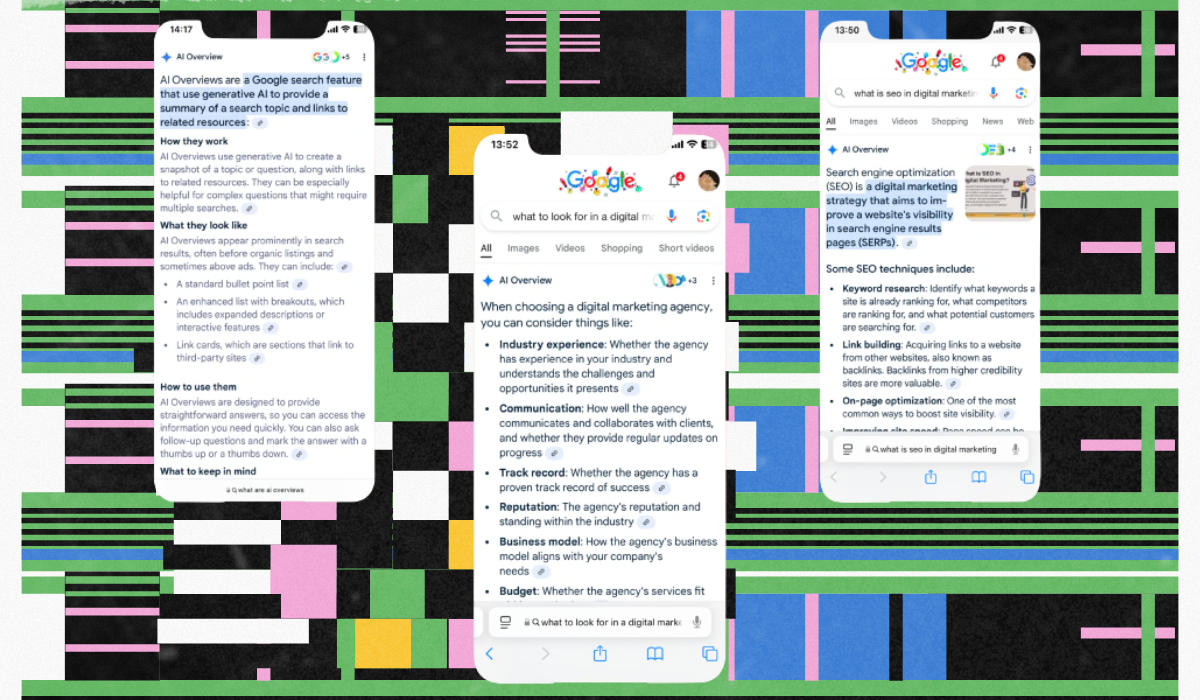
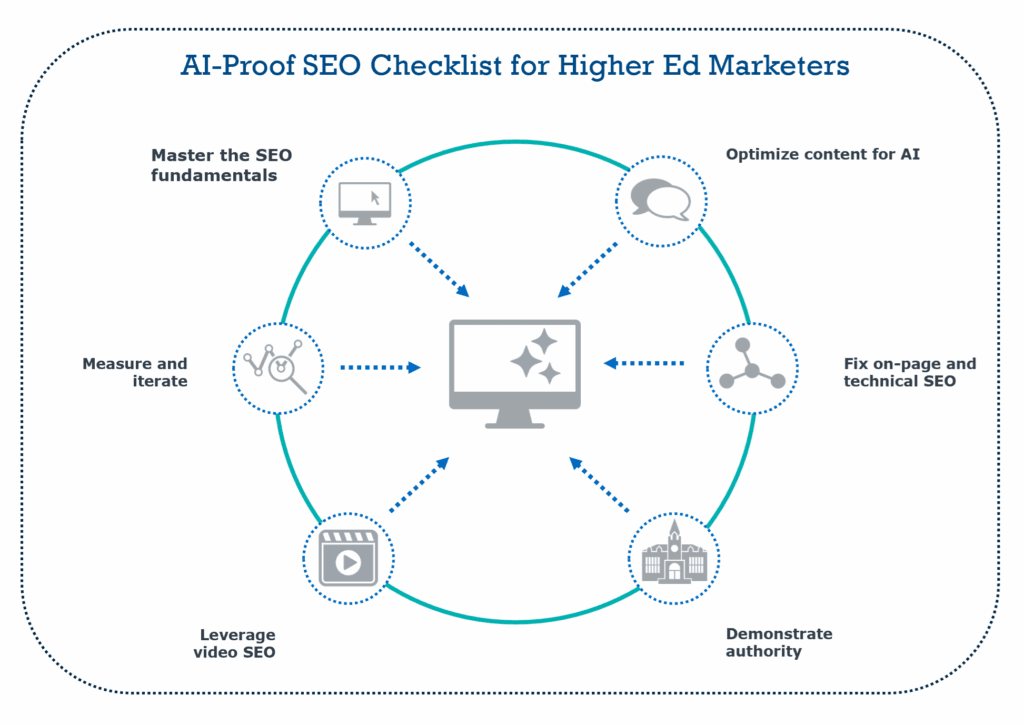
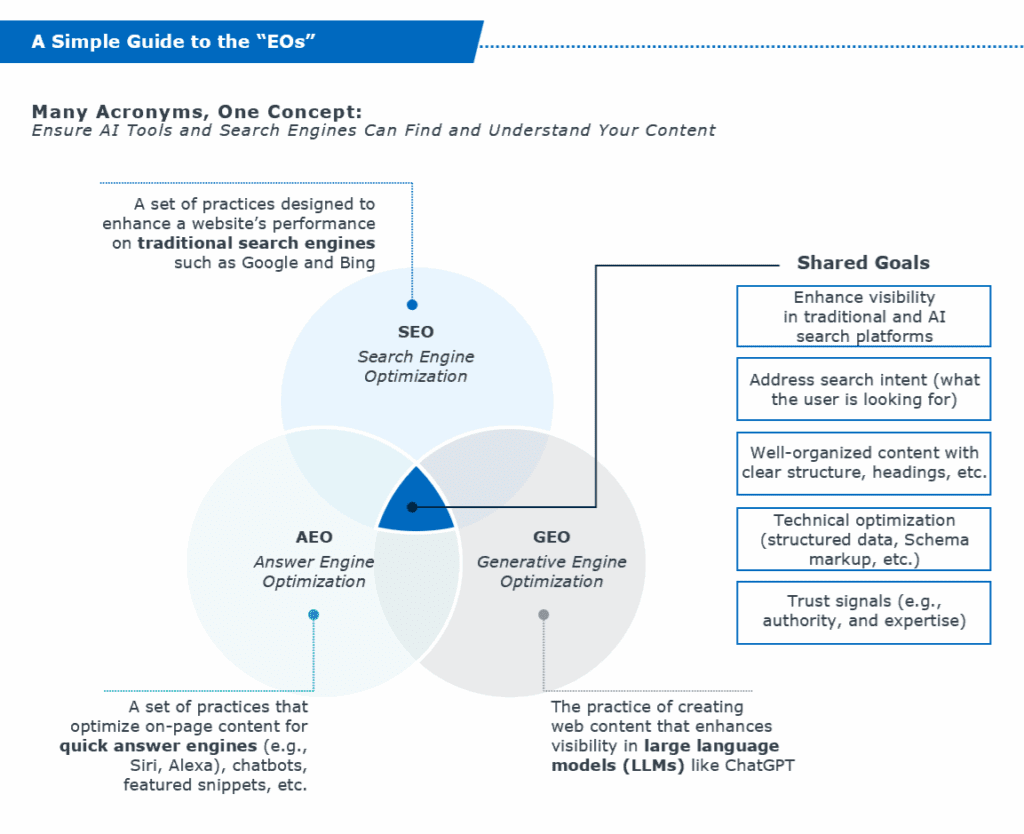
Google’s official stance: Optimizing for AI Overviews is still SEO. Ignore hype around special “AEO/GEO hacks” like llms.txt, content chunking, or unique AI files. Focus on strong fundamentals.
AI Overviews vs. Traditional SEO vs. Broader GEO
| Aspect | Traditional SEO | Google AI Overviews Optimization | Broader GEO (ChatGPT etc.) |
|---|---|---|---|
| Primary Goal | Rank in blue links / clicks | Get cited in AI summaries + maintain rankings | Be quoted/referenced in any AI response |
| Key Signals | Keywords, backlinks, technical | E-E-A-T, structure, topical depth, rankings | Authority, freshness, entities |
| Content Style | Keyword-focused, scannable | Answer-first, comprehensive, citable | Conversational, standalone |
| Impact of Overviews | Potential traffic loss | Opportunity for brand visibility + qualified clicks | Broader discovery |
Proven Strategies for AI Overviews in 2026
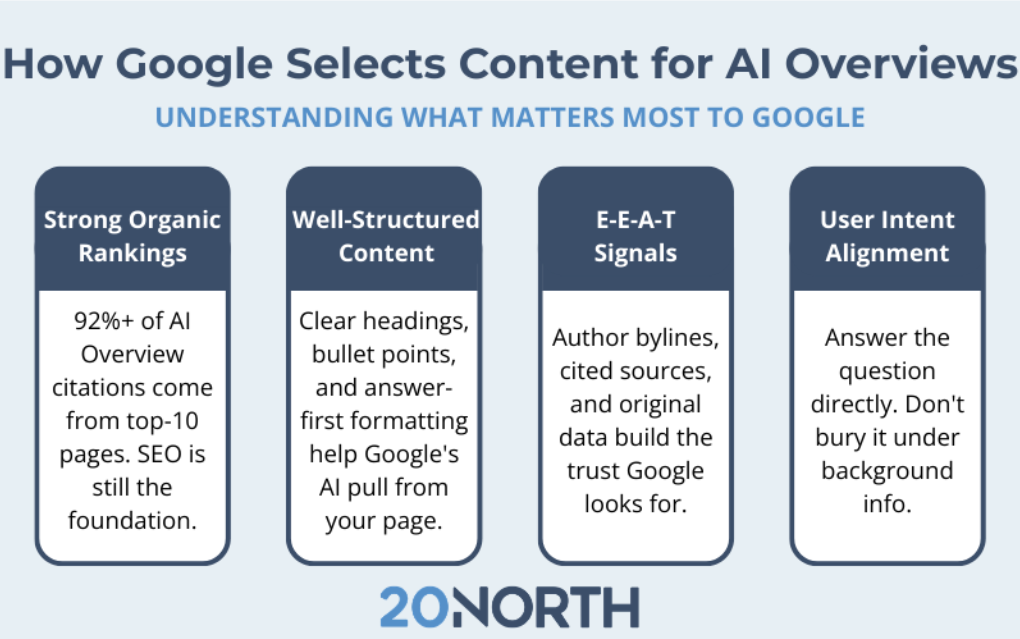
- Master Core SEO First Pages in the top 10 organic results have a much higher chance of citation. AI Overviews build heavily on traditional ranking factors.
- Write Answer-First, Intent-Complete Content
- Place the direct answer in the first 200–300 words.
- Use question-based H2 headings that match real user queries.
- Create comprehensive coverage of the topic (topical authority).
- Include TL;DRs, bullet points, tables, pros/cons, and step-by-step sections.
- Strengthen E-E-A-T Signals
- Author bylines with credentials.
- Cite sources and original data/statistics.
- Build external mentions, reviews, and PR.
- Keep content fresh with regular updates (dateModified).
- Structure for Easy Extraction
- Clear headings and logical flow.
- Lists, tables, and short paragraphs.
- Multimedia with descriptive alt text.
- Avoid fluff—AI favors concise, helpful content.
- Use Schema Markup (Helpful but Not Magic) FAQPage, HowTo, Article, Organization, and Review schemas help Google understand and extract content. Combine with the previous schema examples I provided. Test with Google’s Rich Results Test.
- Optimize for User Value & Engagement AI Overviews often send more engaged visitors. Focus on strong on-page experience, fast load times, and clear CTAs. Measure time on site and conversions, not just clicks.
- Local & Entity Optimization For small businesses: Keep Google Business Profile updated, use LocalBusiness schema, and ensure consistent NAP data. AI Overviews favor locally relevant, authoritative sources.
Action Plan for Small Businesses
- Audit — Search your main keywords and note which pages get cited in AI Overviews.
- Optimize Top Pages — Add answer-first sections, structure, and schema.
- Create Supporting Content — Build topic clusters around core services/products.
- Monitor — Track impressions, citations (tools like SEMrush, Ahrefs have AI visibility features), and traffic quality.
- Test & Iterate — Publish, wait 1–2 weeks, and refine based on performance.
- Combine Channels — Pair with ChatGPT Ads and broader GEO for full-funnel visibility.
Key Takeaway: In 2026, the best AI Overview optimization is excellent, helpful content that users (and Google) love. Strong traditional SEO + thoughtful structure wins.
This builds directly on the schema and GEO strategies we’ve covered. Want me to review a specific page, generate optimized content outlines for your industry, or create custom schema for an AI Overview-focused page? Just share details!